Eliminate Drain Flies: Gold Coast Home Guide
Home Maintenance, Drain Flies, Gold Coast Plumber
Drain Flies on the Gold Coast: How to Get Rid of Them and Stop Them Returning
Drain flies are a common problem in Gold Coast homes and units, especially in warm, humid weather. This guide explains, in straightforward terms, how to identify a drain fly infestation, how to get rid of drain flies properly, and what you can do to prevent drain flies from coming back. We will also look at when it is time to call a Gold Coast plumber so the issue is fixed at the source, not just covered up.
What Are Drain Flies and Why Are They in Your Home?
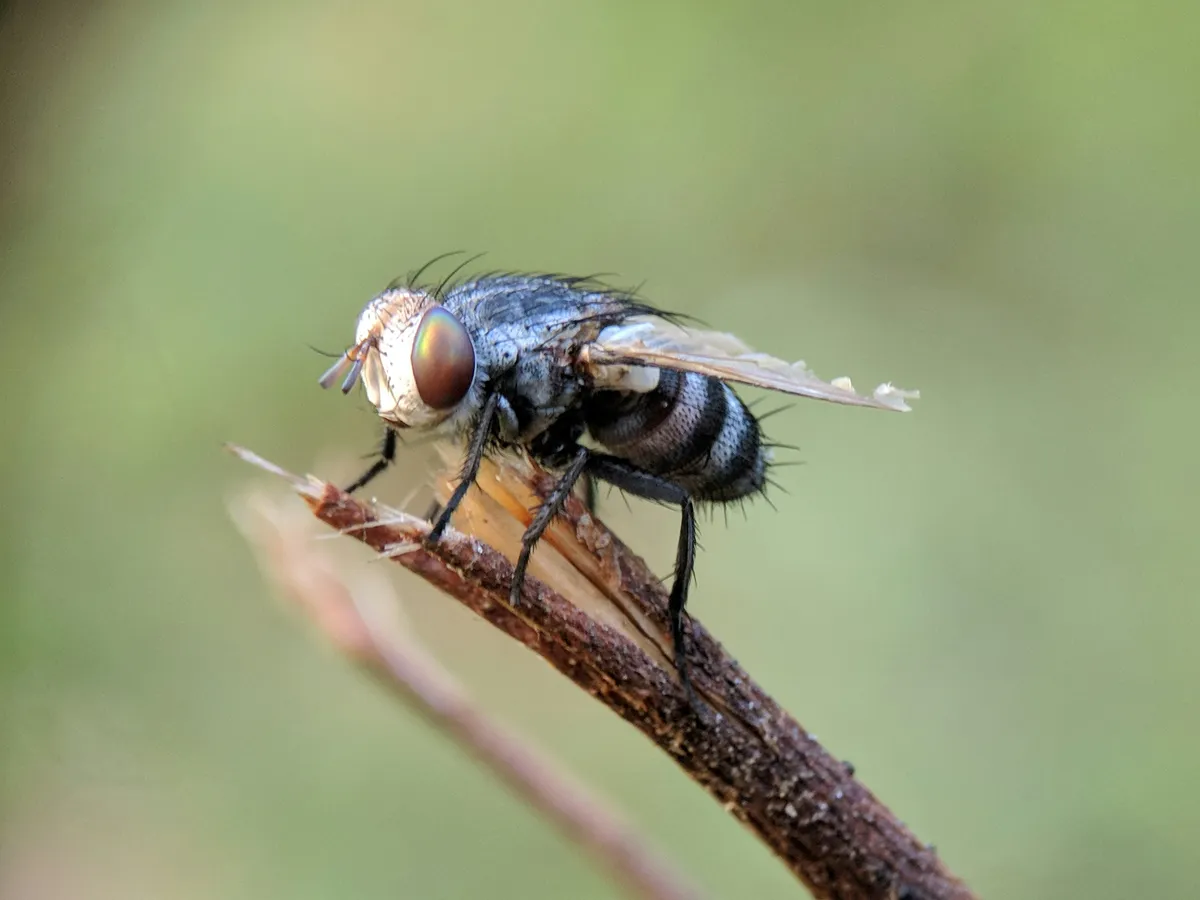
Drain flies, also called moth flies or sewer flies, are tiny, fuzzy-looking insects that often gather around sinks, showers, floor wastes, and other drains. They are usually grey or brown, about 2–5 mm long, with wings that look a bit like a moth’s. They are attracted to moisture and organic buildup inside pipes and traps. This slimy layer, often called biofilm, is where they lay their eggs and where the larvae feed and grow.
On the Gold Coast, our warm climate and frequent humidity create perfect conditions for drain flies. Bathrooms that stay damp, kitchens with food scraps, and little-used guest bathrooms or laundries can all become breeding grounds. While drain flies do not usually bite, a drain fly infestation is unpleasant, unhygienic, and often a sign that something is not right inside your drains. Ignoring them rarely works; they tend to keep coming back unless you tackle the real cause.
Step One: Identifying Drain Fly Breeding Sites
To get rid of drain flies properly, you must first work out where they are breeding. Killing the adult flies you see on the wall is not enough. They have already laid eggs in the slime inside a drain or another damp spot. If you do not identify and treat that breeding site, new adults will keep appearing every few days. This is why identifying breeding sites is the most important step in dealing with a drain fly infestation.
Common Breeding Areas in Gold Coast Homes
Bathroom sink and basin wastes, especially if they drain slowly or are used for shaving, makeup, or toothpaste.
Shower and bath drains, where soap scum, hair, and skin cells build up in the trap and pipes.
Kitchen sinks, particularly if there is food waste, grease, or a garbage disposal that is not cleaned regularly.
Floor wastes in bathrooms, laundries, and garages that stay damp or are rarely flushed with water.
Overflow outlets on basins and baths where stagnant water can sit unnoticed.
Sumps, traps, or pits near outdoor areas or under houses where moisture and sludge collect.
Simple Tests to Confirm the Source
You can use a couple of simple methods to pinpoint which drain is causing the problem:
Sticky tape test: At night, dry the area around a suspect drain. Place a strip of clear tape, sticky side down, over part of the drain opening, leaving gaps so air can still move. In the morning, check the tape. If drain flies are stuck to the underside, you have found an active breeding site.
Observation test: Turn off the bathroom light and then flick it back on. Watch where the flies are sitting or flying from. Often, they rest on the walls near their breeding drain or crawl out of the grate when disturbed.
💡 Pro Tip: You may have more than one breeding site. If you see drain flies in multiple rooms, test each drain separately. Treating only one may not clear the infestation.
Why Removing Organic Buildup Is the Key to Success
Once you know which drains are affected, the next step is removing organic buildup from inside them. This is more important than any spray or surface treatment. Drain flies breed in the layer of slime lining the inside of pipes, traps, and fittings. This slime is made of hair, soap, food particles, grease, and other organic material. If you do not remove this layer, you will not get rid of drain flies for long. Adults will keep emerging as new larvae mature in the slime.
Many people try to solve the problem by spraying insect killer around the bathroom or pouring boiling water down the drain once. This may kill some adults and a few larvae near the surface, but it does not strip away the biofilm deeper inside the pipe. For long-term results, you must focus on physically and chemically cleaning that buildup. This is also why a persistent drain fly infestation can be a sign of blocked drains starting to form, especially in older Gold Coast properties with original plumbing.
Manual Cleaning of Drains and Traps
Start with the areas you can reach. For basin and sink wastes, remove the plug or pop-up waste if possible. Use a long, flexible brush or a small bottle brush to scrub the inside walls of the drain opening. Aim to break up and remove as much slime as you can. Wear gloves and have a bucket or bin handy for any hair and gunk you pull out. Rinse with hot water as you go to flush loose material away.
For shower and bath drains, remove the grate or cover if you can do so safely. You may see a thick ring of hair and soap scum just below the surface. Pull this out with gloved hands or a small hook tool. Scrub the inside of the trap with a brush. If the drain is very slow or completely blocked, this is a sign you may need a Gold Coast plumber to clear the line properly before you can fully remove the organic buildup.
Using Drain Cleaners and Enzyme Products
After manual cleaning, you can use a suitable drain cleaner to help dissolve remaining residue. There are two main types:
Chemical drain cleaners: These use strong chemicals to break down hair and grease. Always follow the instructions carefully, and never mix different products. Chemical cleaners can be harsh on some pipes and are not always the best long-term solution, especially for older plumbing.
Enzyme or bacterial cleaners: These products use natural enzymes and bacteria to eat away organic buildup over time. They are often gentler on pipes and can be very effective at reducing the slimy layer that drain flies love. They usually work best when applied regularly over several days.
If you are unsure which type is safe for your plumbing, a licensed Gold Coast plumber can advise on the best option. In some cases, especially with recurring blocked drains Gold Coast homeowners often face in older suburbs, professional high-pressure jetting or mechanical cleaning may be the only way to remove heavy buildup deep in the line.
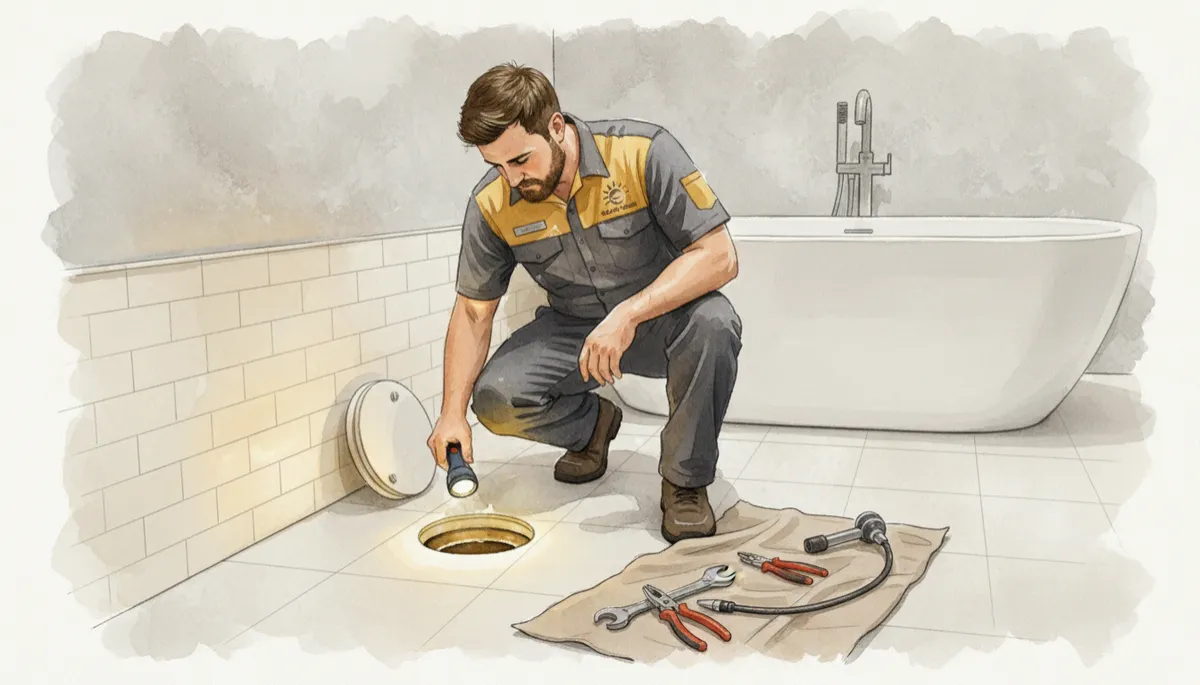
A licensed plumber can clear hidden buildup that home cleaning often misses.
How to Get Rid of Drain Flies: A Step-by-Step Plan
Clearing a drain fly infestation is easier when you follow a simple, logical process. Here is a straightforward plan you can use in your Gold Coast home. It combines identifying breeding sites, removing organic buildup, and basic control methods to get rid of drain flies and stop them from returning.
Step 1: Confirm the Infestation
First, make sure you are dealing with drain flies, not fruit flies or gnats. Drain flies tend to rest on walls near wet areas, have fuzzy wings, and are often found in bathrooms and laundries. Fruit flies usually hover around fruit bowls, bins, and kitchen benches. Once you are sure they are drain flies, move on to checking each drain as described earlier with the sticky tape and observation tests.
Step 2: Clean the Affected Drains Thoroughly
Remove grates, plugs, and covers from the drains where you have seen drain flies or confirmed breeding activity.
Manually scrape and pull out hair, sludge, and visible buildup. Dispose of it in the bin, not back down the drain.
Scrub the inside of the drain opening and trap with a stiff brush, using hot soapy water. Take your time; the goal is to break up the biofilm where eggs and larvae live.
Flush the drain with plenty of hot water to rinse away loosened material. If the water backs up or drains very slowly, this points to blocked drains that may need professional attention.
Step 3: Treat the Drains Over Several Days
After the initial clean, use an appropriate drain treatment for at least a week. An enzyme-based cleaner is often a good choice to help break down leftover organic buildup along the pipe walls. Apply it at night, when water use is low, so it can sit in the pipes for several hours. Follow the directions on the product label for the right quantity and contact time. Consistency is important here; one quick treatment is rarely enough to fully remove the breeding layer.
Step 4: Control Adult Flies During the Clean-Up
While you are cleaning and treating the drains, you will still see adult drain flies for a short time. You can reduce their numbers by:
Using a fly swatter or vacuum to remove adults resting on walls and tiles.
Placing simple sticky traps or tape near the affected drains to catch emerging flies.
Wiping down bathroom and kitchen surfaces regularly so they have fewer places to rest.
Remember, these steps alone will not solve the problem if the breeding site is still active. They are simply a way to make the area more comfortable while you focus on removing organic buildup inside the drains.
Step 5: Monitor and Repeat as Needed
It usually takes at least one to three weeks to fully get rid of drain flies, depending on how bad the infestation is and how much buildup there was in the drains. Keep an eye on the areas you have treated. If you still see new flies after two weeks of regular cleaning and treatment, there may be a hidden breeding site you have missed, or there may be a deeper issue in your plumbing that needs professional attention from a Gold Coast plumber experienced with blocked drains and sewer issues.
📌 Key Takeaway: The only lasting way to get rid of drain flies is to remove their food and breeding layer inside the drains. Surface sprays and quick fixes are temporary at best.
Prevent Drain Flies from Coming Back
Once you have cleared a drain fly infestation, it is worth taking a few simple steps to prevent drain flies from returning. Prevention is easier and cheaper than dealing with a full infestation again, and it helps keep your drains flowing freely and smelling fresh. Many of these habits also reduce the risk of blocked drains Gold Coast households often face after storms, heavy use, or years of buildup.
Keep Drains Clean and Flowing
Run hot water down bathroom and kitchen drains regularly, especially after showers and washing up, to help move small particles along.
Use drain strainers to catch hair and food scraps before they enter the pipes. Empty the strainers into the bin, not the sink.
Avoid pouring fats, oils, and grease down the kitchen sink. Let them cool and dispose of them in the rubbish instead.
Flush Unused Drains and Floor Wastes
Little-used bathrooms, guest ensuites, or downstairs laundries can be prime spots for drain flies because water in the traps evaporates, leaving a damp, slimy surface and sometimes a direct path to the sewer. Once a fortnight, run water into every floor waste, shower, and basin in your home. This keeps the traps full of water and reduces the chance of sewer gases and insects entering from below. On the Gold Coast, where many homes have extra bathrooms for visitors, this simple step alone can prevent a lot of drain fly problems.
Maintain Good Bathroom and Kitchen Hygiene
Wipe down tiles, splashbacks, and benchtops regularly so there are fewer damp surfaces for flies to rest on.
Empty bathroom and kitchen bins often, especially in warm weather, to avoid attracting other insects that can confuse the issue.
Clean around and under sink overflows, tap bases, and behind fixtures where water can splash and sit unnoticed.
Schedule Periodic Professional Drain Checks
If your home has a history of slow drains, gurgling sounds, or repeat blockages, it is wise to have a Gold Coast plumber inspect the system every so often. Using CCTV drain cameras and specialised cleaning equipment, a professional can spot early signs of trouble, such as tree roots, collapsed sections, or heavy grease buildup, before they create the perfect breeding ground for drain flies. Regular maintenance like this supports everything you do at home to prevent drain flies and keeps your plumbing in good condition for the long term.
When to Call a Gold Coast Plumber About Drain Flies
While many minor drain fly issues can be handled with careful cleaning and simple products, there are clear times when seeking professional plumbing assistance is the best choice. Drain flies can be a symptom of a bigger problem in your plumbing, and trying to manage that alone can waste time and money. A licensed Gold Coast plumber deals with blocked drains and sewer issues every day and has the tools and experience to solve the cause, not just the symptoms.
Signs You Need Professional Help
Drain flies keep coming back even after weeks of cleaning and treatment.
Multiple drains in different rooms are affected at the same time, suggesting a deeper problem in the main line or sewer.
You notice slow draining, gurgling, or water backing up in sinks, showers, or toilets along with the drain flies.
There is a persistent bad odour from drains even after cleaning, which may point to a partial blockage or sewer issue.
Your property has older plumbing, or you suspect damaged pipes, tree root intrusion, or a broken gully trap.
What a Professional Plumber Can Do for a Drain Fly Infestation
When you call a local Gold Coast plumber about drain flies, they will usually start with a thorough inspection. This may include checking all internal drains, floor wastes, external gullies, and sometimes using a drain camera to see inside the pipes. They will look for trapped sludge, grease, or structural issues that could be supporting a drain fly infestation. From there, they can recommend the most effective treatment, which may include:
High-pressure water jetting to strip away heavy organic buildup and clear blocked drains Gold Coast homes often develop over time.
Mechanical drain cleaning with specialised cables and cutting heads to remove roots, solid obstructions, and compacted debris.
Repair or replacement of damaged sections of pipe, cracked joints, or faulty traps that allow moisture and sludge to collect.
Advice on suitable ongoing treatments, such as safe enzyme products, and practical tips tailored to your specific home layout and usage.
💡 Pro Tip: When choosing a plumber, look for someone with clear experience in blocked drains and drain fly issues on the Gold Coast. Local knowledge of common pipe materials, tree species, and soil types makes a real difference.
Putting It All Together: A Practical Plan for Gold Coast Homes
Drain flies are annoying, but they are also useful warning signs. They tell you that somewhere in your plumbing, there is standing water and organic buildup. Instead of just spraying the flies and hoping they go away, it makes sense to use them as a prompt to check your drains properly. For Gold Coast homeowners and tenants, a simple, practical plan looks like this:
Confirm that the insects you see are drain flies and not fruit flies or other pests.
Systematically test and inspect each drain to identify breeding sites, using sticky tape and observation over a few days.
Remove organic buildup by manually cleaning drains and traps, then following up with suitable drain treatments over time.
Control adult flies with simple physical methods while the breeding layer is being removed, understanding that this is a short-term measure.
Put prevention habits in place: regular hot water flushing, use of strainers, flushing unused drains, and basic hygiene in wet areas.
Call a professional Gold Coast plumber if the problem keeps returning, multiple drains are involved, or there are signs of blocked drains or sewer issues.
Final Thoughts: Take Drain Flies Seriously, But Stay Practical
Drain flies are not usually dangerous, but they are a clear sign that something is happening inside your drains. On the Gold Coast, where warm temperatures and humidity are the norm for much of the year, it does not take long for a small patch of slime inside a pipe to turn into a full drain fly infestation. The good news is that the solution is straightforward when you focus on the right things: identifying breeding sites, removing organic buildup, and seeking professional plumbing assistance when home methods are not enough.
If you approach the problem step by step, you can get rid of drain flies and keep them away. Start by looking closely at your drains, especially any that are slow, smelly, or rarely used. Clean them thoroughly, treat them consistently, and adopt simple habits to keep them clear. If at any point you feel out of your depth, or the flies keep returning despite your efforts, do not hesitate to bring in a qualified Gold Coast plumber. They can check for blocked drains, hidden damage, and deeper issues that are hard to see from the surface.
By combining sensible home maintenance with expert help when needed, you can protect your home from drain fly infestations, avoid many common plumbing headaches, and enjoy clean, fresh-smelling bathrooms and kitchens all year round.